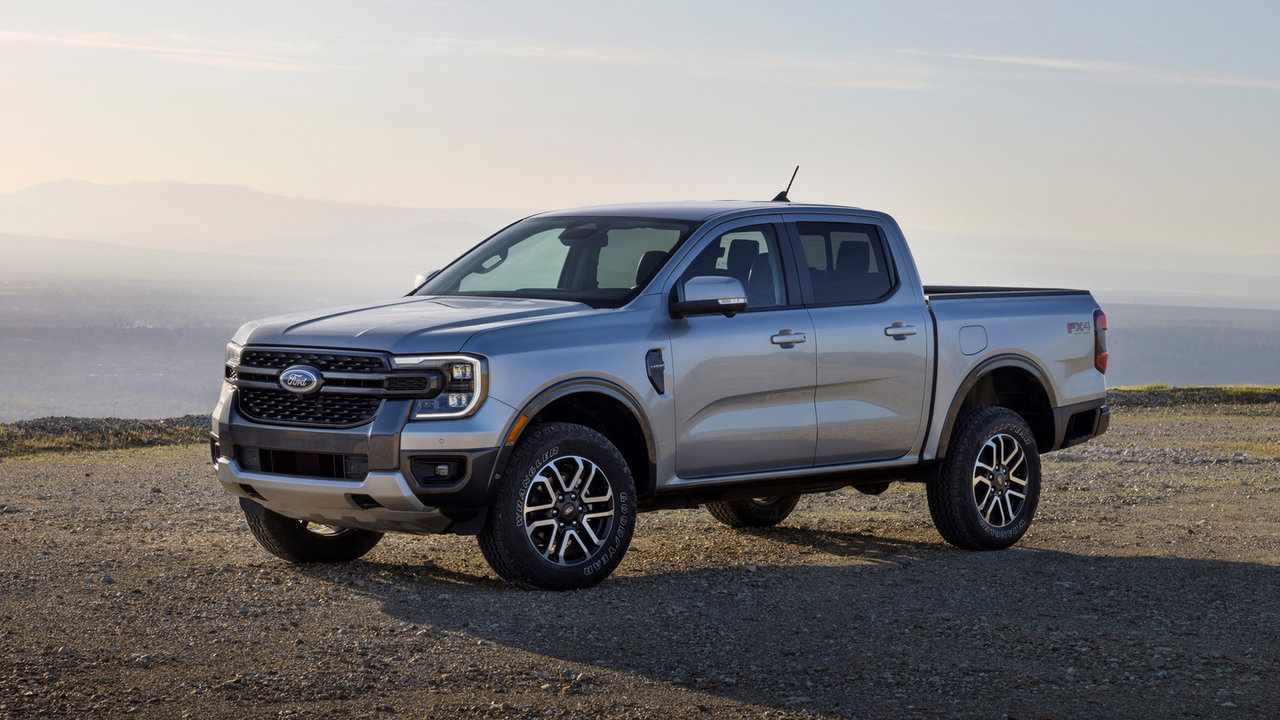
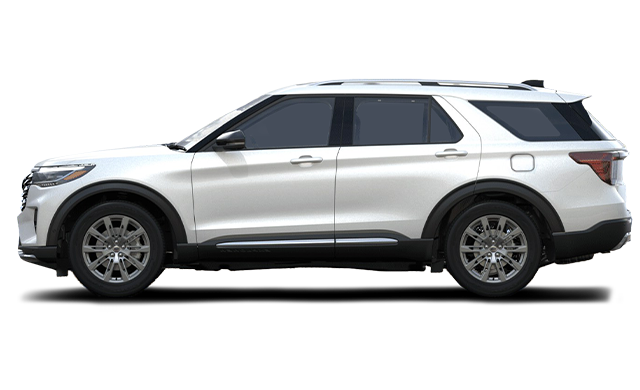
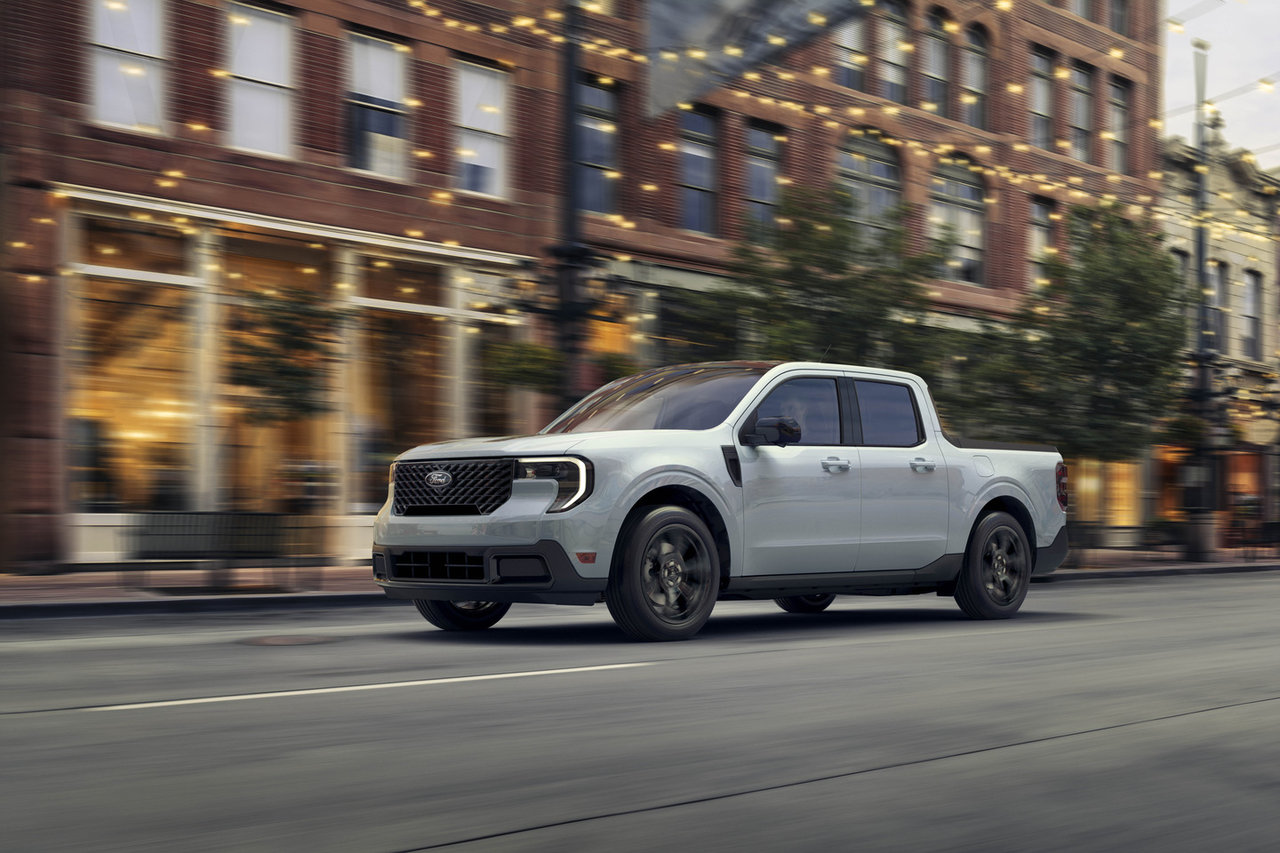
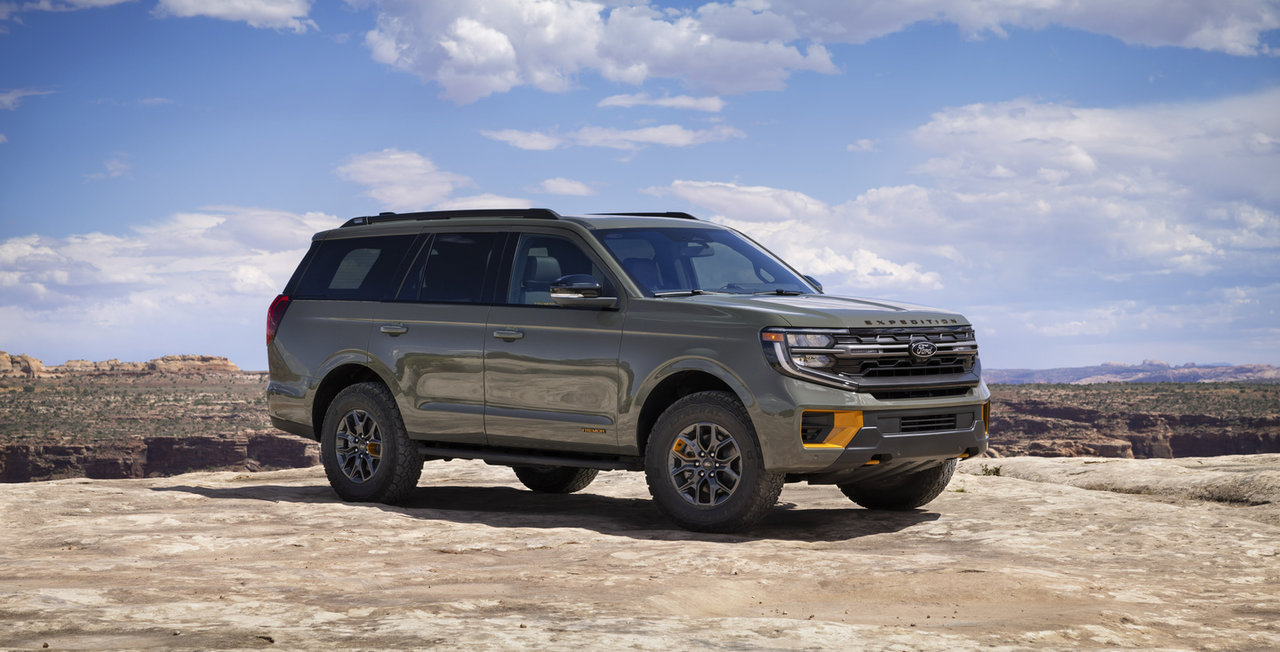
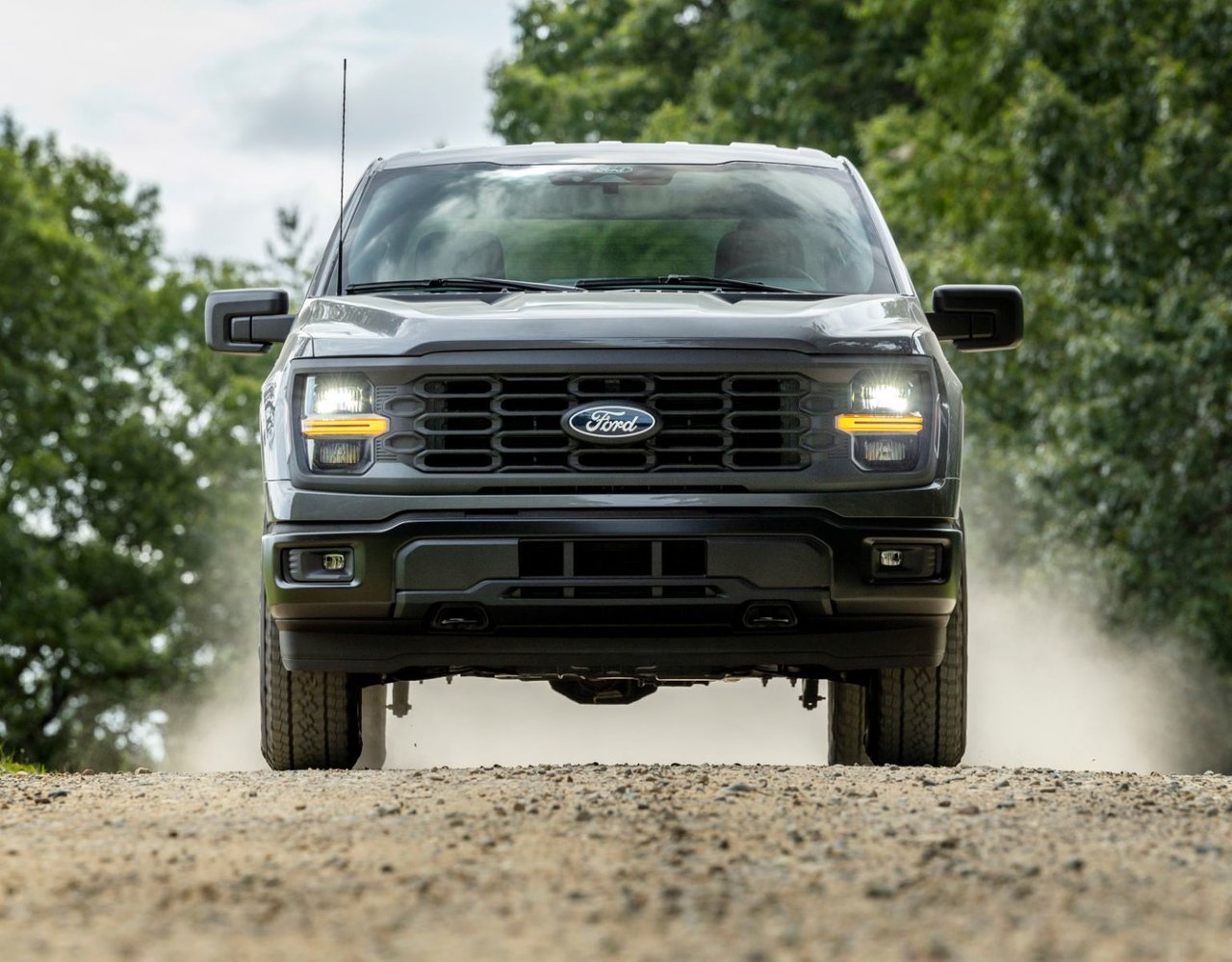
Winter driving in Ontario demands more than just four-wheel drive—it requires a vehicle engineered to handle snow-covered highways, icy backroads, and unpredictable weather conditions. The Ford lineup offers three distinct approaches to winter capability: the Explorer with its refined on-road comfort, the Bronco with its legendary Sasquatch Package, and the Ranger's midsize truck versatility.
Each vehicle brings unique strengths to Ontario's winter roads. The Explorer delivers SUV comfort with available all-wheel drive, the Bronco offers rugged off-road hardware with winter-ready features, and the Ranger provides truck utility with cold-weather capability. Understanding which vehicle matches your winter driving needs—whether commuting through Collingwood's snow-covered streets or exploring Ontario's backcountry—starts with examining their core capabilities.
At a Glance: Winter Capability Comparison
|
Feature
|
2025 Explorer
|
2025 Bronco (Sasquatch)
|
2025 Ranger
|
|
Drivetrain
|
Four-wheel drive standard
|
4x4 standard
|
4x4 standard
|
|
Ground Clearance
|
212 mm standard
|
294 mm (2-door), 293 mm (4-door)
|
212 mm
|
|
Powertrain Options
|
2.3 L EcoBoost (standard), 3.0 L EcoBoost (400 hp) available
|
2.3 L EcoBoost (300 hp), 2.7 L EcoBoost (330 hp)
|
2.3 L EcoBoost
|
|
Seating Capacity
|
7 passengers
|
4 (2-door), 5 (4-door)
|
5 passengers
|
|
Cargo Volume
|
2,098 litres (seats folded)
|
Varies by configuration
|
Bed length: 1,524 mm–2,438 mm
|
Ground Clearance and Winter Traction
Ground clearance determines how well a vehicle navigates deep snow, rutted ice, and unplowed roads. The 2025 Bronco with Sasquatch Package delivers 294 mm of ground clearance on the 2-door model and 293 mm on the 4-door model—significantly higher than both the Explorer and Ranger, which offer 212 mm standard.
The Bronco's Sasquatch Package includes 35-inch all-terrain tires, upgraded suspension components, and a stabilizer bar disconnect system. These features allow the Bronco to maintain traction on snow-covered trails and navigate obstacles that would challenge lower-riding vehicles. The package also increases approach angle to 43.2 degrees, breakover angle to 29.0 degrees (2-door) or 26.3 degrees (4-door), and departure angle to 37.2 degrees (2-door) or 37.0 degrees (4-door).
The Explorer and Ranger prioritize on-road stability with their lower ground clearance. Both vehicles use four-wheel drive systems designed for highway driving, snow-covered roads, and light off-road conditions. The Explorer's lower centre of gravity improves handling on icy highways, while the Ranger's truck platform provides stability when towing in winter conditions.
Powertrain Performance in Cold Weather
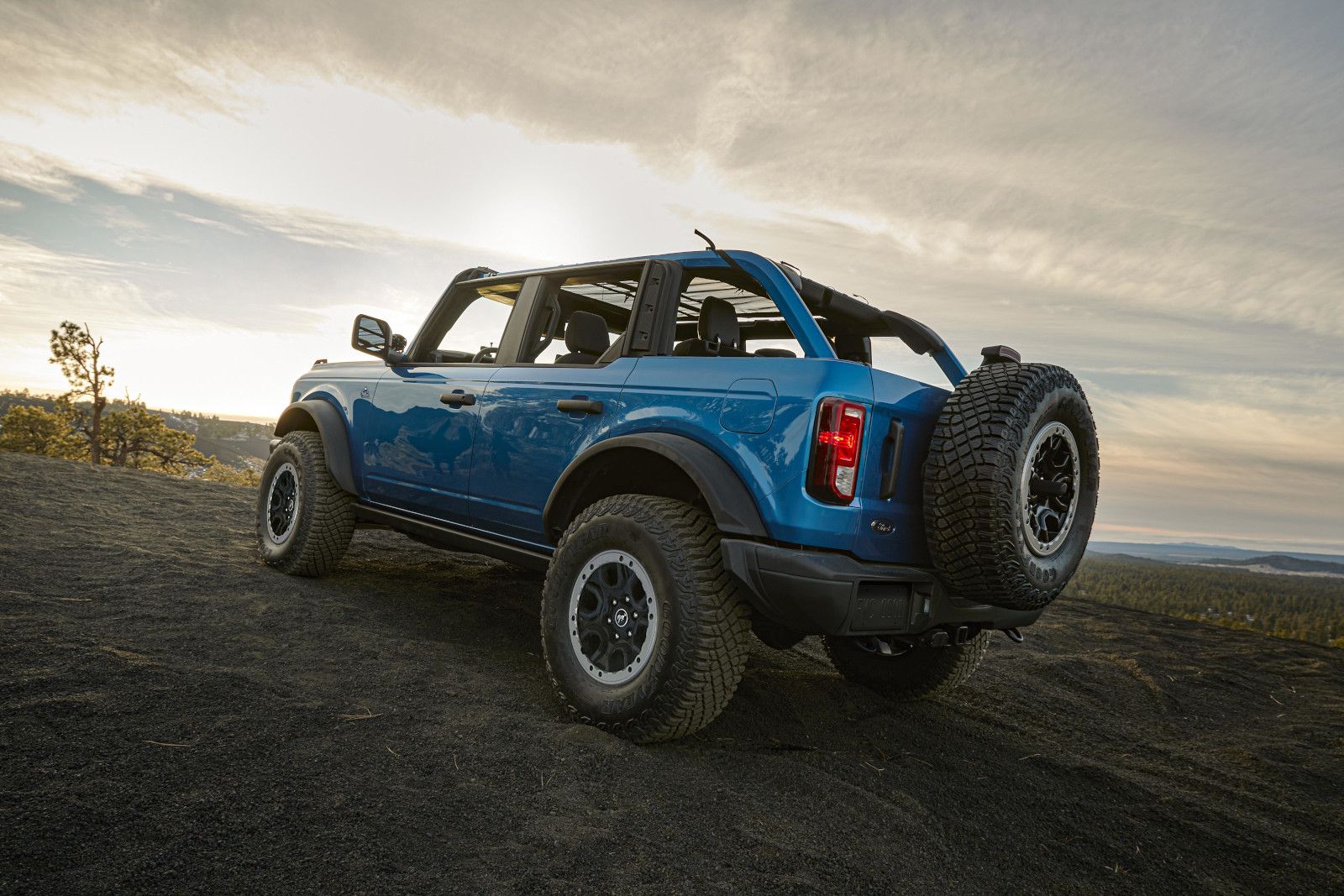
The 2025 Explorer offers two engine options: a standard 2.3 L EcoBoost four-cylinder and an available 3.0 L EcoBoost V6 producing 400 horsepower and 415 lb-ft of torque. The 3.0 L engine comes standard on ST and Platinum trims with the Platinum Ultimate Package. Both engines pair with a 10-speed automatic transmission and deliver power through a four-wheel drive system.
The 2025 Bronco provides three engine choices. The base 2.3 L EcoBoost four-cylinder produces 300 horsepower and 325 lb-ft of torque. The available 2.7 L EcoBoost V6 generates 330 horsepower and 415 lb-ft of torque. The Bronco Raptor uses a 3.0 L EcoBoost V6 producing 418 horsepower. The 2.3 L engine pairs with either a seven-speed manual or 10-speed automatic transmission, while the 2.7 L and 3.0 L engines use the 10-speed automatic exclusively.
The 2025 Ranger uses a 2.3 L EcoBoost four-cylinder engine with four-wheel drive standard across all configurations. The Ranger's powertrain focuses on towing capability and fuel efficiency rather than maximum horsepower.
All three vehicles benefit from turbocharged engines that maintain power output in cold temperatures. Turbochargers compensate for reduced air density at lower temperatures, helping engines deliver consistent performance during Ontario winters.
Interior Comfort and Cold-Weather Features
The 2025 Explorer prioritizes passenger comfort with seating for seven, heated front seats, and an available heated steering wheel. The redesigned interior includes soft-touch surfaces, wrap-and-stitch materials on the centre console and door panels, and available ActiveX synthetic seating material. The Explorer's cabin design emphasizes refinement, with a pushed-forward dashboard creating a more spacious feel for front passengers.
The 2025 Bronco takes a different approach with marine-grade vinyl seating and washable floors featuring built-in drains. These materials allow owners to clean snow, mud, and road salt easily after winter drives. The Bronco includes available heated seats and a heated steering wheel, along with removable doors and roof panels for versatility. The interior prioritizes durability over luxury, making it practical for outdoor enthusiasts who frequently transition between winter activities.
The 2025 Ranger offers five-passenger seating with a crew cab configuration. Standard features include heated front seats and practical storage solutions designed for work and recreation. The Ranger's interior balances comfort with utility, providing a straightforward layout focused on functionality.
All three vehicles include modern connectivity features. The Explorer introduces the Ford Digital Experience with a 13.2-inch touchscreen, 12.3-inch digital instrument cluster, and integration with Google Maps, Google Assistant, and Alexa Built-In. The Bronco and Ranger use SYNC infotainment systems with wireless Apple CarPlay and Android Auto compatibility.
Off-Road Capability and Winter Versatility
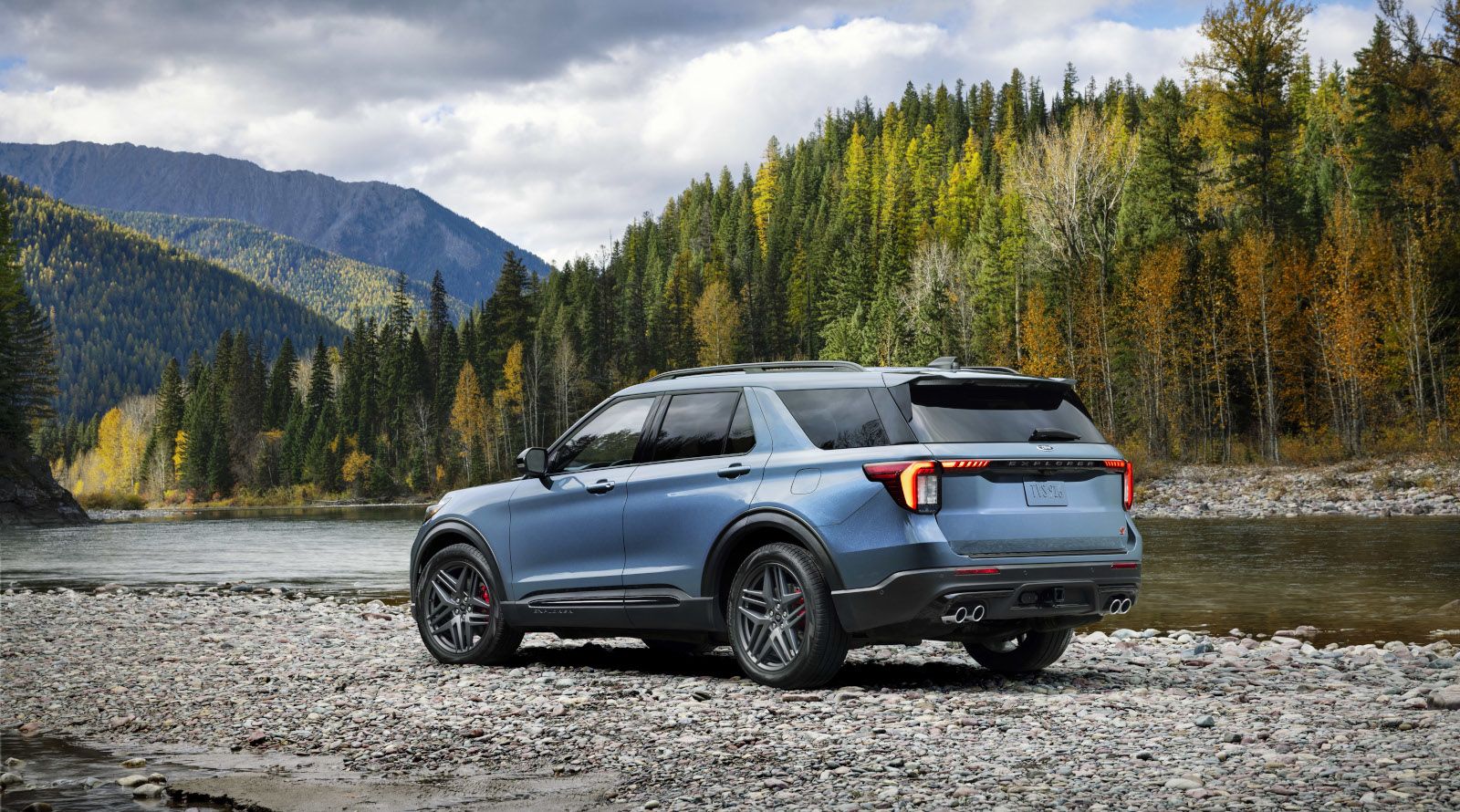
The 2025 Bronco with Sasquatch Package delivers the highest off-road capability among the three vehicles. The package includes HOSS (High-Performance Off-Road Stability Suspension) components, electronic stabilizer bar disconnect, and seven G.O.A.T. Modes (Goes Over Any Type of Terrain). These modes include Normal, Eco, Sport, Slippery, Sand, Mud/Ruts, and Rock Crawl—each adjusting throttle response, transmission shift points, and traction control settings for specific conditions.
The Bronco's water fording depth reaches 850.9 mm, allowing it to cross streams, navigate flooded roads, and handle deep snow. The stabilizer bar disconnect system increases suspension articulation on uneven terrain, helping maintain traction when one or more wheels lose contact with the ground.
The 2025 Explorer focuses on on-road performance with available all-wheel drive. The system distributes power to all four wheels as needed, improving traction on snow-covered highways and icy roads. The Explorer does not include specialized off-road modes or suspension modifications, making it better suited for paved roads and maintained winter trails.
The 2025 Ranger offers truck utility with winter capability. Standard four-wheel drive, available skid plates, and a Class III Trailer Tow Package allow the Ranger to handle towing, hauling, and light off-road driving. The Ranger's midsize truck platform provides better maneuverability than full-size trucks while maintaining practical payload and towing capacity.
Towing and Hauling in Winter Conditions
The 2025 Explorer includes a Class III Trailer Tow Package as standard equipment, supporting recreational towing needs. The Explorer's four-wheel drive system and available 3.0 L EcoBoost engine provide sufficient power for towing snowmobiles, small utility trailers, and lightweight campers.
The 2025 Bronco offers towing capacity up to 2,041 kg (4,500 lbs) on select models. The base configuration supports 1,587 kg (3,500 lbs). The Bronco's four-wheel drive system and available 2.7 L EcoBoost engine deliver 415 lb-ft of torque, providing strong pulling power for winter recreation equipment.
The 2025 Ranger comes standard with a Class III Trailer Tow Package and focuses on practical truck capability. The Ranger's four-wheel drive system and 2.3 L EcoBoost engine support towing and payload needs for work and recreation.
All three vehicles include trailer sway control, which uses selective braking and engine power adjustments to maintain stability when towing in crosswinds or on slippery roads.
Which Vehicle Matches Your Ontario Winter Needs?
The 2025 Ford Explorer suits drivers who prioritize passenger comfort, highway stability, and family-friendly features. Its four-wheel drive system handles snow-covered roads effectively, while its refined interior and seven-passenger seating make it practical for daily commuting and winter road trips across Ontario.
The 2025 Ford Bronco with Sasquatch Package delivers maximum off-road capability for drivers who venture beyond maintained roads. Its high ground clearance, specialized suspension components, and washable interior make it ideal for outdoor enthusiasts who combine winter recreation with daily driving. The Bronco excels on backcountry trails, unplowed roads, and challenging terrain.
The 2025 Ford Ranger provides midsize truck versatility with winter capability. Its four-wheel drive system, towing capacity, and practical bed design suit drivers who need truck utility without full-size dimensions. The Ranger handles work tasks, recreational towing, and winter driving with straightforward capability.
Experience Winter-Ready Ford Vehicles at Hanna Motors Collingwood Ford
Choosing the right vehicle for Ontario winters requires understanding how each model's capabilities match your specific driving needs. The 2025 Ford Explorer, Bronco with Sasquatch Package, and Ranger each offer distinct approaches to winter driving—from refined highway comfort to rugged off-road capability to practical truck utility.
Visit Hanna Motors Collingwood Ford in Collingwood to compare these vehicles in person. Our team can demonstrate each model's winter features, explain drivetrain differences, and help you determine which vehicle best suits your Ontario driving conditions.